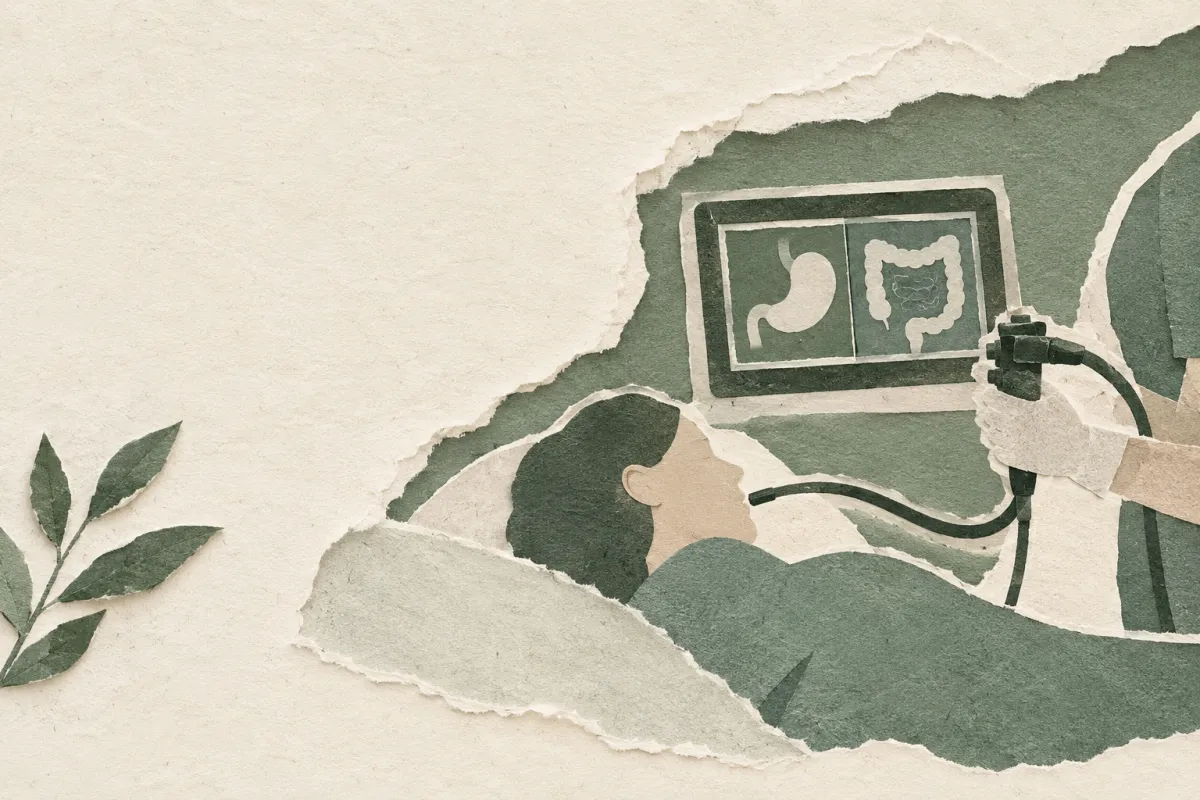
Painless Gastroscopy & Colonoscopy in China
Get a painless gastroscopy and colonoscopy in China—safe, affordable, and fast, with English reports.
Colonoscopy is one of the most effective cancer-screening tests in medicine: it can detect bowel problems early and remove precancerous polyps during the same procedure, and guidelines in many countries recommend it routinely from around age 45. Gastroscopy is most often used to investigate symptoms or to screen people at higher risk of stomach cancer. The reason many people delay either procedure is usually simple: they are anxious about it.
That is exactly what "painless endoscopy" addresses. In China, gastroscopy and colonoscopy under short-acting sedation are routine at major hospitals — patients often describe remembering nothing and waking up after it is over.
What painless endoscopy means
"Painless" does not mean numbing spray alone. It generally means intravenous sedation or short anesthesia administered by an anesthesiologist, who monitors breathing, heart rate, and oxygen throughout. You are asleep or deeply relaxed for the procedure, which commonly lasts:
• Gastroscopy: about 5–15 minutes
• Colonoscopy: about 20–40 minutes
• Both together ("无痛胃肠镜"): roughly 30–60 minutes
You recover in a dedicated area, usually within 30–60 minutes, and must be accompanied when leaving.
Why international patients choose China
Speed of access. In some public health systems, non-urgent endoscopy waits stretch for months. Chinese hospital international departments can often schedule within days or weeks — important when symptoms need prompt investigation.
Cost. US self-pay prices are high. A sedated gastroscopy commonly runs about $1,500–$4,000+ (national average around $2,700), and a colonoscopy roughly $1,250–$4,800, with averages near **$2,500**, depending on the facility, anesthesia, and whether biopsies are needed. In China, a combined sedated gastroscopy and colonoscopy typically costs roughly ¥1,300–2,500 (about $180–350) at a public hospital's standard rates, or commonly around $300–700 at an international or VIP department that provides English service. Premium concierge packages that add imaging and accommodation cost considerably more.
Technology and volume. Major centers use high-definition and magnifying endoscopes, and perform large volumes of procedures. Higher volume supports better detection rates, and polyps can often be removed immediately.
What the procedures examine
• Gastroscopy examines the esophagus, stomach, and first part of the small intestine — used for acid reflux symptoms, ulcers, H. pylori–related disease, persistent pain, and screening in high-risk groups.
• Colonoscopy examines the large intestine — used for bowel habit changes, bleeding, abdominal pain, and routine colorectal cancer screening, typically beginning around age 45–50 in many guidelines, earlier with family history.
Doing both in one sedated session is common and efficient for patients who want a complete assessment in a single visit.
Preparation: the part that matters most
Endoscopy quality depends heavily on preparation.
For gastroscopy: you typically avoid solid food for about 6–8 hours. Clear liquids (such as water) are often allowed until roughly 2 hours beforehand, although some centers require a longer fluid fast — follow the specific instructions you are given.
For colonoscopy: you follow a low-residue diet for a day or two and take a bowel-cleansing solution. A clear view is essential — a poorly prepared colon can miss polyps and require a repeat.
You will also be asked about:
• Allergies and medical conditions, especially heart or lung disease
• Medications, particularly blood thinners and aspirin, which may need adjustment only under medical guidance
• Pregnancy, and arrangements for an adult companion
Do not stop prescribed medication yourself; the treating team will advise.
If a polyp is found
This is a key advantage of colonoscopy. Many polyps can be removed during the procedure and sent for analysis, often without needing a separate visit. Small tissue samples (biopsies) may also be taken during gastroscopy. Before you travel, ask how pathology results and English reports are delivered, and the timeline — usually within several days to two weeks.
Safety considerations
Sedated endoscopy is very safe when performed with proper anesthesia monitoring, but it is not risk-free. Reputable hospitals require pre-procedure assessment, resuscitation capability, and a recovery area. Because sedation impairs coordination and judgment, you cannot drive and should not travel alone afterward; plan for a companion and a quiet rest day.
Practical checklist for international patients
• Share your symptoms, prior reports, and any family history before scheduling
• Confirm whether you need gastroscopy, colonoscopy, or both
• Follow fasting and bowel-preparation instructions exactly
• Bring a list of medications and disclose blood thinners
• Arrange an adult escort, interpretation support, and time to recover
• Confirm you will receive English reports, images, and pathology results
FAQ
Will I feel anything during sedated endoscopy?Most patients sleep through it and remember little or nothing; mild bloating afterward is common and temporary.
How long does recovery take? You are usually alert within an hour, though drowsiness can linger for the rest of the day — no driving or important decisions.
Can polyps be removed on the spot? Yes, many can be removed during colonoscopy and sent for pathology.
At what age should I be screened? Many guidelines recommend colorectal screening from around 45–50; earlier screening is advised with family history or symptoms.
Is one combined session safe? Yes — having gastroscopy and colonoscopy under one anesthetic is routine and efficient at major Chinese hospitals.