Precision Multidisciplinary Cancer Care
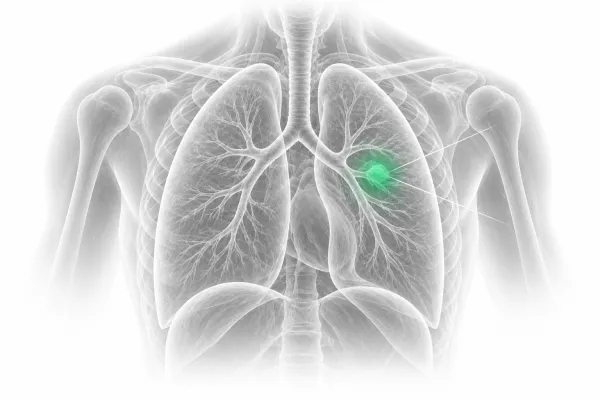
The oncology program uses multidisciplinary consultation and standardized whole-course management to develop individualized treatment plans. It provides coordinated care for lung, liver, gastric, colorectal, esophageal and breast cancers, as well as lymphomas, genitourinary, gynecological, head-and-neck, intracranial, bone, soft-tissue and metastatic tumors. Depending on the diagnosis and stage, treatment may combine systemic therapy, precision immunotherapy, interventional techniques, surgery and supportive care. Collaboration among oncology, imaging, pathology, surgery, rehabilitation and other specialties supports patients from diagnosis and treatment planning through recovery and follow-up.
Integrated Stroke and Comprehensive Neurological Care
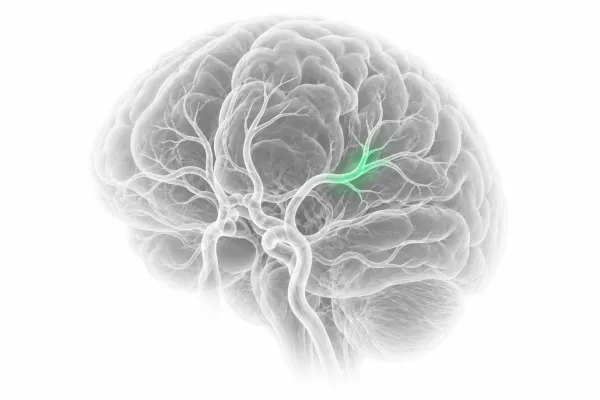
The Brain Center integrates neurology, neurosurgery, neurointervention, neurological rehabilitation and psychological support. Its stroke pathway provides rapid assessment and treatment for acute ischemic stroke, including intravenous thrombolysis, bridging therapy and endovascular recanalization when clinically appropriate. The team also manages cerebral aneurysms, vascular malformations, arterial stenosis, brain hemorrhage, traumatic brain injury, epilepsy, Parkinson’s disease, vertigo and inflammatory or degenerative neurological disorders. Microsurgery, minimally invasive procedures, neurointervention and early rehabilitation are coordinated to support neurological recovery.
Comprehensive Urological and Minimally Invasive Care
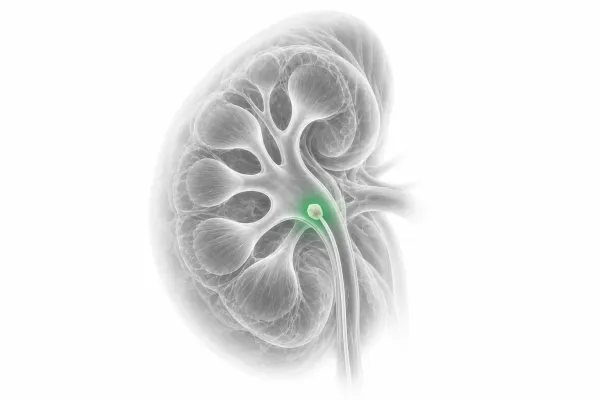
The urology service treats urinary stones, benign prostatic hyperplasia, urinary infections, voiding disorders and tumors of the kidney, adrenal gland, bladder and prostate. It also provides care for urinary-tract reconstruction, congenital abnormalities, male reproductive conditions and selected female urological disorders. Minimally invasive capabilities include laparoscopy, ureteroscopy, nephroscopy, cystoscopy, holmium-laser stone treatment and transurethral prostate surgery. Diagnostic evaluation, surgical treatment and postoperative management are coordinated to provide systematic care while reducing surgical trauma and supporting faster recovery.